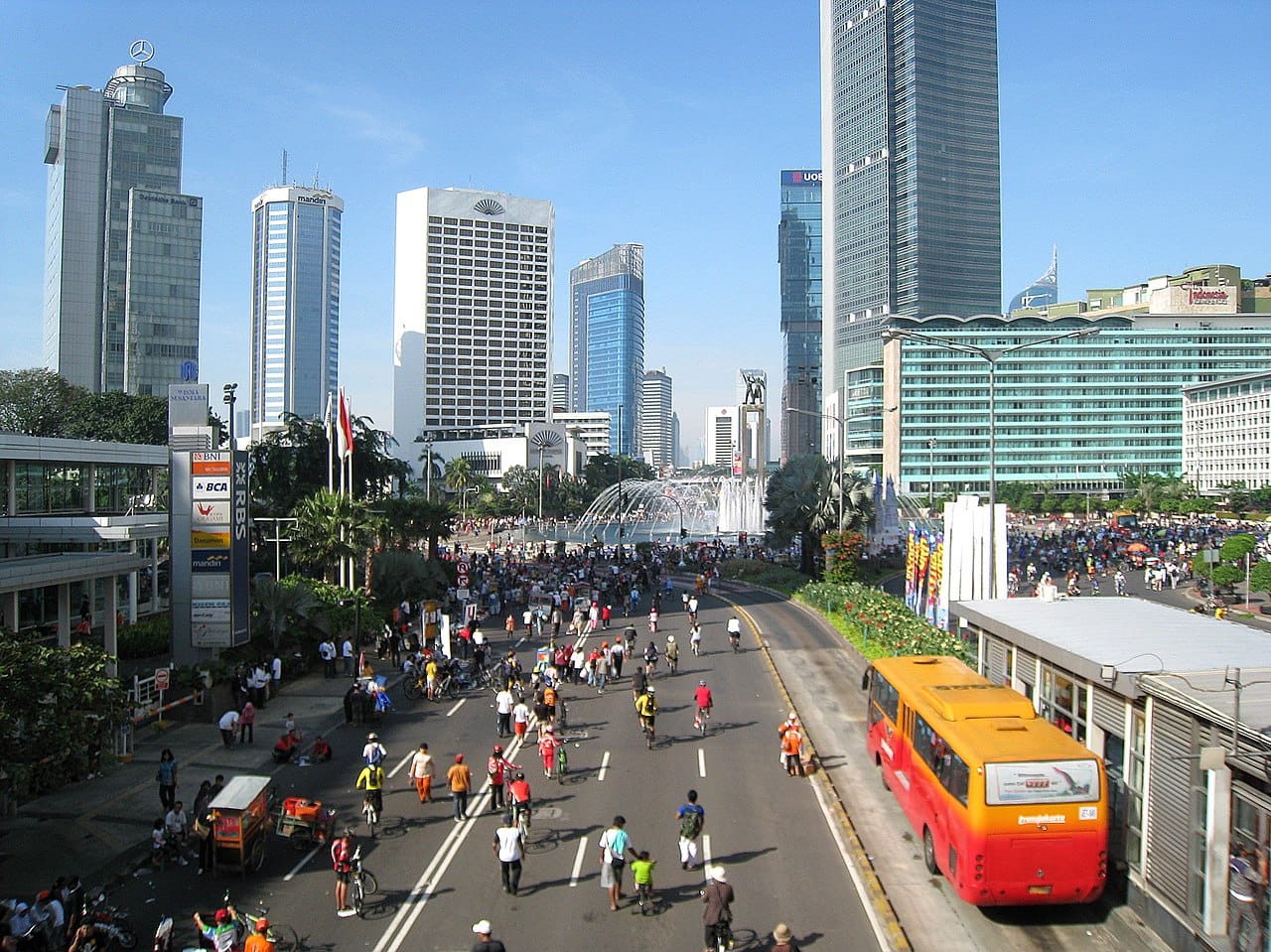
Indonesia inaugurated Asia's first domestic critical minerals exchange in Jakarta on May 7, 2026, a long-anticipated move designed to wrest pricing power for nickel, cobalt, and tin away from London and Shanghai and toward the country that now produces more than half of the world's mined nickel. Trading began with spot contracts for nickel matte, mixed hydroxide precipitate, and battery-grade cobalt sulfate, with futures expected to launch in the third quarter.
Why Jakarta, and Why Now
For more than a decade, Indonesian producers have sold their output at prices benchmarked to the London Metal Exchange, even as the country's share of global supply ballooned past 55 percent. Officials at the Ministry of Energy and Mineral Resources argue that the disconnect between physical supply and the financial benchmark has left producers exposed to volatility that bears little relation to local fundamentals. The new Indonesia Critical Minerals Exchange, or ICMX, is intended to publish a daily reference price drawn directly from physical trades cleared through Jakarta.
Coordinating Minister for Maritime and Investment Affairs Luhut Pandjaitan said in his opening address that the exchange would be open to qualified foreign buyers and clearing members, but that all contracts would settle in rupiah or yuan, not US dollars. Several Chinese smelters operating on Sulawesi, including Tsingshan and Huayou, are expected to be among the earliest large-volume participants.
The First Day's Trading
Volumes on day one were modest by global standards but politically significant. Roughly 4,200 metric tons of nickel matte cleared at an average price of 18,640 dollars per ton, a small premium to the LME cash settlement. Cobalt sulfate cleared at the equivalent of 9,100 dollars per ton of contained metal. Trading was concentrated in the morning session and tapered in the afternoon, a pattern exchange officials expect to even out as more participants onboard.
Participants Confirmed for Phase One
- Tsingshan Holding Group and its Indonesian joint ventures
- Huayou Cobalt and Zhejiang Huayou New Energy
- Vale Indonesia and Antam, the state miner
- POSCO Future M, sourcing for Korean cathode lines
- LG Energy Solution and Hyundai Motor's procurement arm
The Battery Supply Chain Implications
The exchange arrives as Korean and Japanese cathode makers face mounting pressure to diversify sourcing away from purely Chinese-controlled refining. By providing a transparent, exchange-cleared price for Indonesian nickel and cobalt, the ICMX gives non-Chinese buyers a credible alternative reference. POSCO's chief procurement officer told reporters in Jakarta that the company expects to route at least 30 percent of its 2027 nickel sulfate intake through the new exchange.
Regional Reactions
The Philippines, the world's second-largest nickel ore producer, has signaled interest in joining as an associate market, with President Bongbong Marcos saying Manila will study the framework. Australia, which produces refined nickel and cobalt at higher cost, was more cautious; the Department of Industry said it would monitor pricing impacts on Australian producers carefully.
China's Ministry of Commerce, MOFCOM, issued a measured statement welcoming the new venue while noting that Shanghai Futures Exchange remains the primary global benchmark for nickel. Privately, Chinese smelters operating in Indonesia have been broadly supportive, since most of their downstream customers in Korea and Japan have demanded greater pricing transparency.
Risks and Open Questions
Liquidity is the obvious challenge. Without sustained two-way flow from non-Indonesian counterparties, ICMX prices risk drifting away from global fundamentals and becoming a thin domestic benchmark rather than a reference. The exchange has set tight market-maker obligations on its first ten clearing members and has waived clearing fees for the first six months to encourage volume.
Currency settlement is another concern for some Western buyers. While Korean and Japanese firms have working rupiah and yuan treasury operations, smaller European cathode buyers may struggle with the absence of dollar settlement, at least until correspondent banking arrangements mature.
What to Watch Next
The next milestones for the ICMX are the launch of nickel sulfate futures in August and the publication of a daily Jakarta reference price for battery-grade cobalt by the end of the third quarter. If volumes hold above 50,000 tons of nickel-equivalent per month by year-end, the exchange will have cleared its first credibility hurdle. If they don't, expect renewed pressure from Indonesian producers for stronger export-licensing tools to channel volume through the new venue.