Limited Secondary School Access After Three Years of Ban
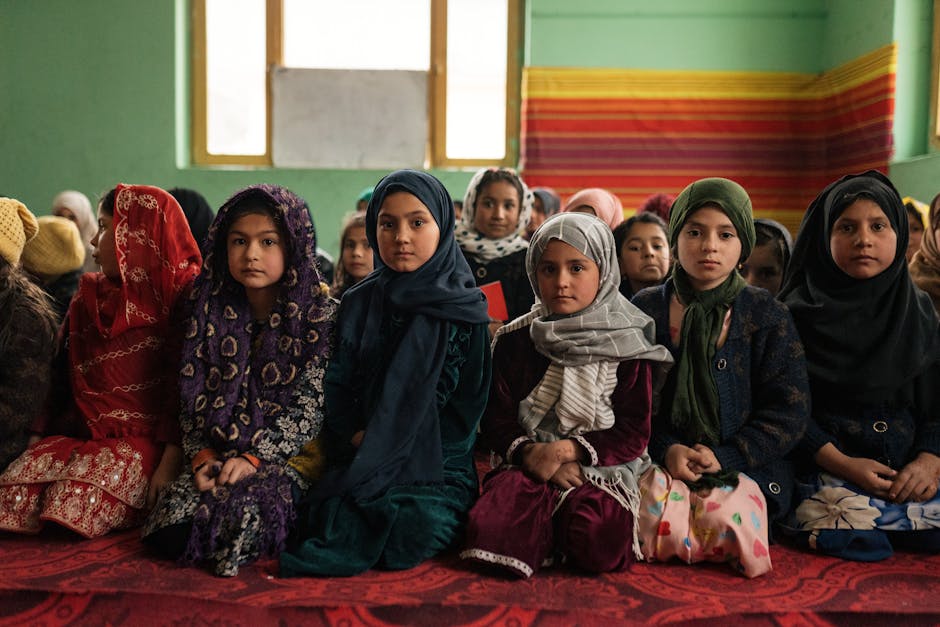
Afghanistan's Taliban government announced on January 30, 2026, a pilot program allowing girls to attend secondary school in three provinces: Balkh, Herat, and Nangarhar. The program, covering grades 7-12, will operate in 180 schools with a curriculum approved by the Ministry of Education that includes Islamic studies, mathematics, science, and languages but excludes physical education and music.
The announcement, made by Taliban spokesperson Zabihullah Mujahid, reverses a ban on girls' secondary education that has been in place since the Taliban seized power in August 2021. The pilot program caps class sizes at 30 students, requires female teachers for all classes, and mandates full hijab covering for students and staff.
Conditions and Restrictions
The program imposes significant restrictions: schools will operate on separate schedules from boys' schools, with classes limited to morning hours. The curriculum excludes subjects deemed "incompatible with Islamic values" and includes mandatory religious instruction comprising 25% of class hours. Male family members must provide written authorization for enrollment.
UNESCO Representative in Afghanistan, Patricia McPhillips, called the announcement "a step, however limited, in the right direction" but said the conditions fell "far short of international standards for girls' education." The UN estimated that 1.4 million girls have been denied secondary education since 2021.
International Response
The pilot comes amid ongoing negotiations between the Taliban and the UN Special Coordinator for Afghanistan over conditions for expanded international engagement. Several countries, including Qatar, Turkey, and China, have urged the Taliban to restore girls' education as a prerequisite for diplomatic recognition.
The European Union said it would withhold judgment until the pilot was operational and independently monitored. The United States, which has frozen $7 billion in Afghan central bank reserves, signaled that progress on girls' education could lead to partial release of funds for humanitarian purposes.
Domestic Dynamics
The pilot reflects internal divisions within the Taliban between pragmatists who see education as essential for governance legitimacy and hardliners aligned with Supreme Leader Hibatullah Akhundzada, who has personally opposed girls' education. The three selected provinces are governed by relatively moderate Taliban officials and have active civil society networks that advocated for the program.
Enrollment begins in March 2026. Community leaders in Herat reported strong demand, with more than 8,000 registration applications received within 48 hours of the announcement. Whether the pilot will expand to other provinces depends on the internal Taliban power dynamics and the response of the international community.