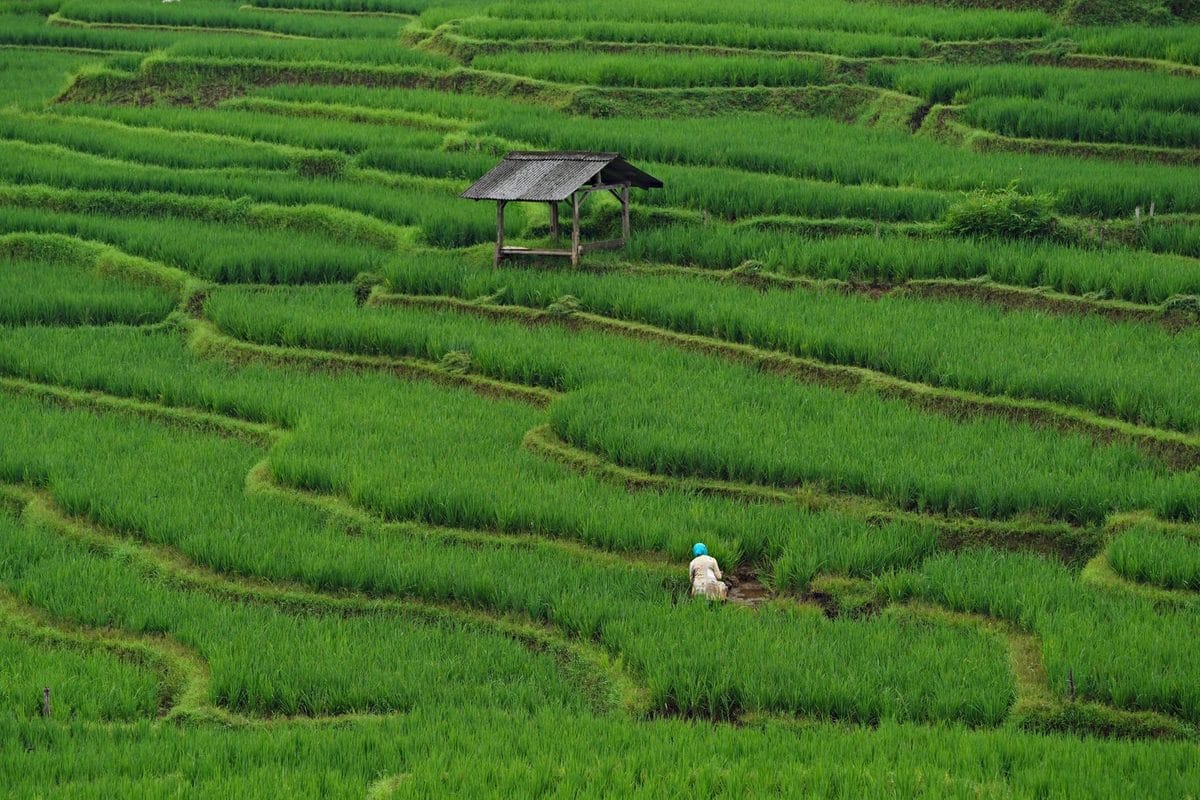
Rice feeds more people in Asia than any other single crop, and a handful of governments control how much of it leaves the region's farms each year. When those governments tighten the rules on exports, the effects ripple from wholesale markets in Manila and Lagos to household kitchens across South and Southeast Asia. Understanding how rice trade is governed explains much about why food prices in the region can move sharply even in years when harvests look adequate.
A crop concentrated in a few exporters
According to data compiled by the Food and Agriculture Organization of the United Nations, India, Thailand and Vietnam consistently rank among the largest rice exporters in the world, with Pakistan, Cambodia and Myanmar also contributing meaningful volumes. India alone has accounted for a large share of globally traded rice in recent years, which gives policy decisions in New Delhi outsized influence over what buyers elsewhere pay.
The concentration matters because most rice that is grown is eaten close to where it is produced. Only a relatively small fraction of global rice output is traded across borders, far less than the share for wheat. That thin trade layer means a change in supply from even one major exporter can swing prices for importing nations that depend on shipments to cover the gap between what they grow and what their populations consume. Countries such as the Philippines, Indonesia and several in West Africa fall into that import-dependent group, and their buyers watch export announcements from Asian capitals closely.
Why governments restrict exports
Export restrictions on rice are not new, and they tend to follow a recognisable pattern. When domestic supply tightens, prices at home climb, or a poor monsoon raises fears about the coming harvest, governments often move to keep more rice inside their borders. The stated aim is usually to protect domestic consumers and curb food-price inflation, which is a politically sensitive issue in countries where rice is a daily staple.
India has used a range of measures over the years, including bans or curbs on certain categories of rice and minimum export prices that make shipments less attractive. Thailand and Vietnam have at times signalled caution about export volumes during periods of drought or strong domestic demand. These tools are legal under international trade rules, which allow temporary export restrictions in some circumstances, but they can still disrupt the planning of importers who had expected steady supply.
The knock-on effect on importers
For a country that imports a significant portion of its rice, a sudden curb from a major exporter forces buyers to compete for a smaller pool of available grain. That competition pushes prices higher, and the increase lands hardest on lower-income households, who spend a larger share of their budgets on food. The Asian Development Bank and other regional institutions have repeatedly flagged staple-food affordability as a central concern for poverty and stability across the region.
Weather, water and the longer-term pressure
Beyond policy, the physical conditions for growing rice are shifting. Rice is a water-intensive crop, and much of Asia's production depends on the timing and strength of the monsoon as well as on river systems and groundwater. Periodic droughts, irregular rainfall and the recurring influence of weather patterns such as El Nino have all been linked by agricultural agencies to swings in regional harvests.
These pressures interact with policy in ways that reinforce each other. A weak harvest raises the chance that an exporting government will restrict shipments, which in turn tightens the global market further. Researchers and institutions including the International Rice Research Institute, based in the Philippines, have long worked on rice varieties that use less water or tolerate flooding and salinity, partly to reduce the vulnerability that drives these cycles. Progress on more resilient strains is gradual, and it does not remove the short-term role that trade policy plays when a shortfall hits.
What buyers and policymakers watch
For governments that depend on imports, managing rice supply has become a matter of building buffers and diversifying sources. Several importing nations maintain public stockpiles and state purchasing programmes intended to smooth out price shocks and guarantee a minimum level of domestic supply. Others have pursued longer-term agreements with exporters to lock in volumes ahead of any future restrictions.
- The share of rice that is traded internationally is small relative to total production, which makes the market sensitive to policy changes from a few key exporters.
- Export curbs are usually framed as protection for domestic consumers, even when they raise prices for importing countries.
- Water availability and monsoon performance shape harvests, and weak harvests increase the likelihood of new export restrictions.
- Importing governments rely on stockpiles, state buying and supply agreements to cushion against sudden changes, among other tools.
The recurring tension is between two legitimate goals: an exporting government's responsibility to its own consumers, and the needs of importing populations that have come to rely on a steady flow of grain. As long as rice remains both a staple for billions and a thinly traded commodity, the rules governing its export will continue to carry weight far beyond the countries that write them.