Bangladesh Garment Workers Win 25% Minimum Wage Increase After Protests
Bangladesh's garment sector minimum wage rose 25% to $133 per month after strikes shut over 600 factories, affecting production for H&M, Zara, and other global brands.
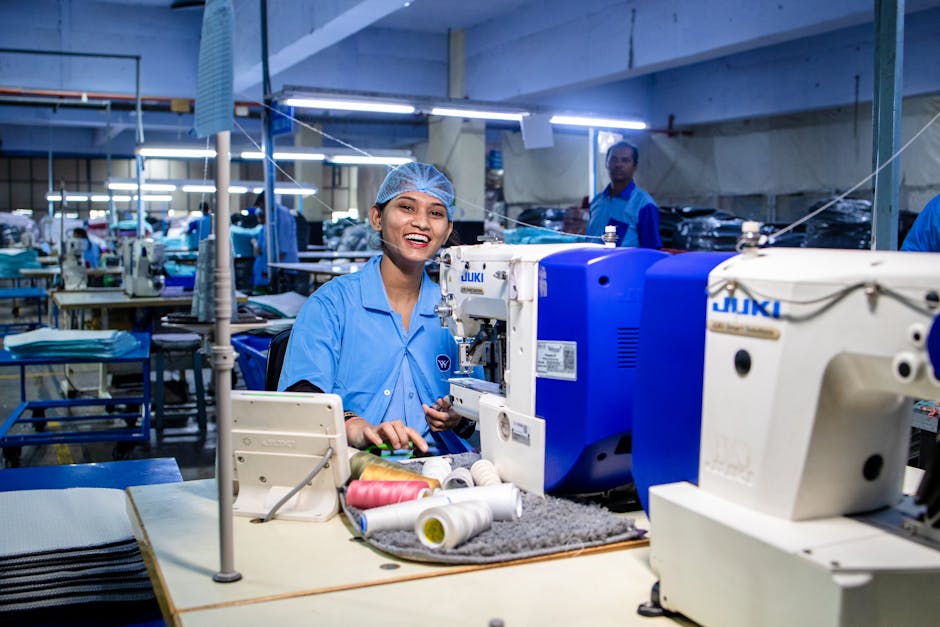
Government Mediates Agreement After Two Weeks of Strikes
Bangladesh's interim government brokered a minimum wage agreement for the ready-made garment sector on November 3, 2025, raising the monthly floor from 12,500 taka to 15,625 taka ($133), a 25% increase. The deal followed two weeks of strikes and protests that shut down more than 600 factories in the Dhaka, Gazipur, and Ashulia industrial zones.
Labor Minister Asif Nazrul announced the agreement at a press conference flanked by representatives of the Bangladesh Garment Manufacturers and Exporters Association and leaders of the IndustriALL-affiliated National Garment Workers Federation. The new rate takes effect January 1, 2026.
Strike Impact
The work stoppages affected production for major international brands including H&M, Zara, Primark, and Walmart, with the BGMEA estimating export losses of $820 million during the two-week period. Three workers died and 145 were injured in clashes with police during protests in Gazipur on October 25.
Kalpona Akter, president of the Bangladesh Garment and Industrial Workers Federation, said the 25% increase was "necessary but not sufficient." Workers had demanded a minimum of 23,000 taka. "This keeps people above the poverty line but doesn't give them dignity. We will continue advocating for a living wage," Akter said.
Industry Concerns
BGMEA President Faruque Hassan warned that the wage increase, combined with rising energy costs and global shipping disruptions, would squeeze already thin margins. Bangladesh garment factories operate on average margins of 5-8%, compared to 12-15% for competitors in Vietnam and Cambodia.
The agreement includes a provision for annual wage reviews tied to inflation, a mechanism that did not exist under the previous five-year wage cycle. Factory owners secured a commitment from the government to reduce corporate tax rates for export-oriented garment manufacturers from 12% to 10%.
Sector Outlook
Bangladesh exported $38.4 billion in ready-made garments in fiscal year 2024-25, maintaining its position as the world's second-largest garment exporter after China. The sector employs approximately 4.4 million workers, 60% of whom are women.
The International Labour Organization's Dhaka office welcomed the agreement but urged implementation of workplace safety provisions still pending from the 2023 International Accord. An ILO spokesperson noted that 340 factories covered by the accord had not yet completed required fire and structural safety upgrades.