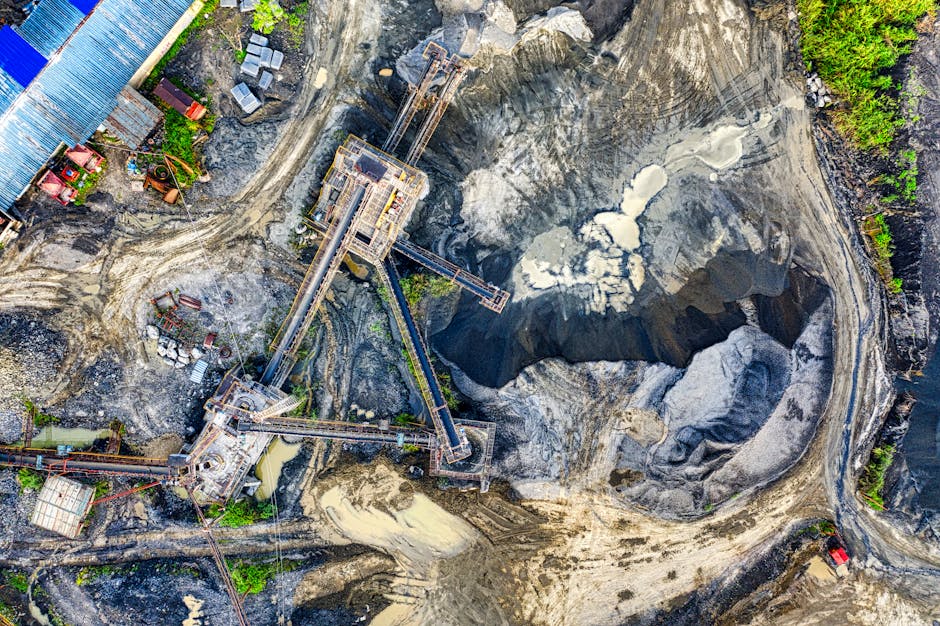
Expanded Restrictions Cover Processed Nickel Products
Indonesia's Ministry of Energy and Mineral Resources announced an expanded export ban on December 19, 2025, extending restrictions from raw nickel ore — banned since 2020 — to include nickel pig iron and ferronickel products with less than 70% nickel content. The new rules, effective March 1, 2026, are designed to force further downstream processing within Indonesia and capture more value from the country's position as the world's largest nickel producer.
Indonesia accounts for 49% of global nickel mine production and 37% of nickel processing capacity. The expanded ban targets intermediate products that are currently exported primarily to China for further refining into battery-grade nickel sulfate used in electric vehicle batteries.
Industry Impact
The London Metal Exchange nickel price jumped 12% to $19,400 per metric ton following the announcement, the largest single-day move since the 2022 short squeeze. Benchmark Mineral Intelligence estimated the restrictions would remove approximately 180,000 metric tons of intermediate nickel products from global trade flows annually.
Chinese nickel processors, which import 65% of Indonesia's nickel pig iron output, scrambled to secure alternative supplies. Tsingshan Holding Group, the world's largest nickel producer and a major operator in Indonesia, said it would accelerate construction of battery-grade processing facilities at its Morowali industrial park in Central Sulawesi.
EV Industry Ramifications
The restrictions reverberate through the electric vehicle supply chain. CATL, the world's largest EV battery manufacturer, sourced 40% of its nickel from Indonesian intermediate products in 2024. Tesla's battery supplier Panasonic warned that the ban could increase cathode material costs by 8-12% if fully implemented.
BloombergNEF analyst Kwasi Ampofo said the ban "accelerates a trend that was already underway — the concentration of battery material processing in Indonesia under Jakarta's terms." Indonesia's nickel processing capacity has tripled since the 2020 ore export ban, with $32 billion in new smelter and refinery investment, predominantly from Chinese companies.
Environmental and Labor Concerns
The rapid expansion of nickel processing in Indonesia has drawn criticism from environmental groups. Satellite analysis by Mighty Earth showed that nickel mining and processing in Sulawesi and the Maluku Islands resulted in 12,000 hectares of deforestation in 2025. Workers at several Chinese-operated smelters have reported unsafe conditions, with 18 fatalities recorded across Indonesian nickel processing facilities in the past 12 months.
Coordinating Minister for Maritime and Investment Affairs Luhut Pandjaitan said the government would "enforce environmental and labor standards rigorously" and was developing a sustainability certification system for nickel products targeting the European Union's Battery Regulation requirements.