Indonesia Breaks Ground on $33 Billion Nusantara Capital Project Phase Two
Indonesia began Phase Two of the Nusantara capital city with $33 billion earmarked for government buildings, high-speed rail, and what officials call the world's greenest capital.
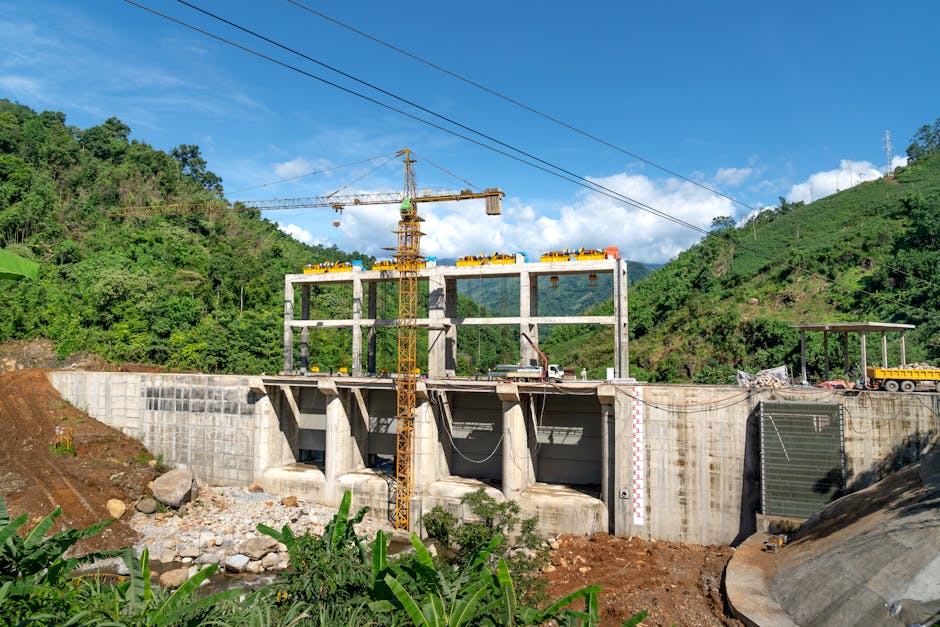
Second Phase Targets Government District and Transportation Hub
Indonesian President Prabowo Subianto presided over the groundbreaking ceremony for Phase Two of the Nusantara capital city project in East Kalimantan on October 22, 2025. The $33 billion phase includes the main government district, a high-speed rail link to Balikpapan, and a 12,000-hectare urban forest that officials say will make Nusantara the world's greenest capital.
The ceremony was attended by ambassadors from 40 countries and executives from SoftBank, Hyundai Engineering, and China State Construction Engineering, all of which have signed memoranda of understanding for the project.
Infrastructure Scope
Phase Two covers 56,000 hectares and includes the Presidential Palace complex, 24 ministry buildings, a 45-kilometer bus rapid transit network, and a 65-kilometer light rail system. The Nusantara-Balikpapan high-speed rail, designed by Japan's JICA, will cover 120 kilometers in 35 minutes.
Bambang Susantono, head of the Nusantara Capital Authority, said 18,000 construction workers were already on site, with the workforce expected to peak at 60,000 by mid-2026. "Phase One taught us valuable lessons about supply chain management in Borneo," Susantono told a press briefing.
Funding and Foreign Investment
The government allocated 20% of Phase Two costs from the national budget, with the remainder expected from private investment and international development finance. The Asian Infrastructure Investment Bank approved a $2.5 billion loan for transportation infrastructure, while Abu Dhabi's Mubadala Investment committed $1.2 billion for a mixed-use commercial district.
Minister of Finance Sri Mulyani Indrawati said the project would generate 400,000 jobs during construction and support 200,000 permanent positions once government operations relocate. "Fiscal discipline remains our priority — we will not let Nusantara crowd out social spending," she said.
Environmental Concerns Persist
Environmental groups including WALHI and the Indonesian Forum for the Environment raised concerns about deforestation in the buffer zones surrounding the project site. Satellite imagery analyzed by Global Forest Watch showed 1,200 hectares of secondary forest cleared between January and September 2025, despite government assurances of net-zero deforestation.
The Nusantara Capital Authority responded that replacement planting would exceed cleared areas by a 3:1 ratio and that an independent environmental monitoring board would publish quarterly reports beginning in January 2026.