Magnitude 7.1 Earthquake Jolts Central Japan, Tsunami Warning Issued
A magnitude 7.1 earthquake off Shizuoka triggered tsunami warnings across Japan's Pacific coast, halting Shinkansen service and renewing Nankai Trough megathrust concerns.
Strong Shaking Felt Across Honshu as 1-Meter Waves Hit Coast
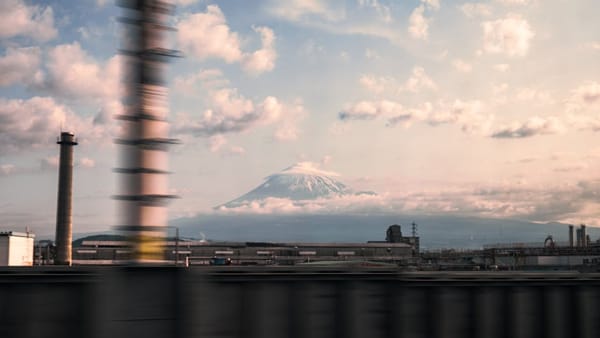
A magnitude 7.1 earthquake struck off the coast of Shizuoka prefecture at 2:47 p.m. Japan Standard Time on December 10, 2025, at a depth of 30 kilometers. The Japan Meteorological Agency issued tsunami warnings for the Pacific coast from Chiba to Mie prefecture, with waves of up to 1.2 meters observed at Omaezaki port within 18 minutes of the quake.
Maximum seismic intensity of upper 6 on Japan's scale was recorded in Shizuoka City and Yaizu, with strong shaking felt across the Kanto and Chubu regions, including Tokyo, where buildings swayed for approximately 90 seconds. The Tokaido Shinkansen between Tokyo and Shin-Osaka was immediately halted pending track inspections.
Damage and Response
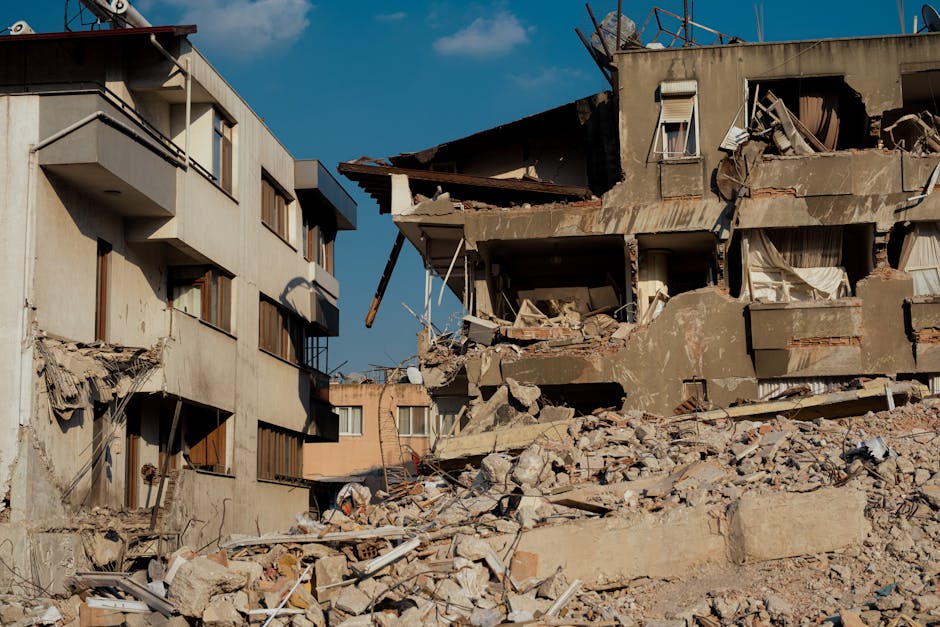
The Fire and Disaster Management Agency confirmed 3 deaths, 89 injuries, and damage to 450 buildings as of December 11. The port of Shimizu sustained structural damage to two container cranes, halting cargo operations. Eleven fishing vessels were reported damaged or sunk in harbors along the Suruga Bay coast.
Prime Minister Ishiba Shigeru convened an emergency Cabinet meeting and dispatched 8,000 Self-Defense Force personnel to the affected area. The government opened 340 evacuation shelters housing 12,000 residents, primarily from coastal areas within the tsunami warning zone.
Nankai Trough Concerns
The earthquake renewed anxiety about the Nankai Trough, a subduction zone running parallel to Japan's southern coast that scientists estimate has a 70-80% probability of producing a magnitude 8-9 megathrust earthquake within the next 30 years. The Cabinet Office's disaster preparedness committee met in emergency session to assess whether the Shizuoka quake was a precursor event.
Professor Naoshi Hirata of the Earthquake Research Committee said the December 10 event occurred on a fault segment "adjacent to but distinct from the Nankai Trough plate boundary." He emphasized that while the quake did not increase the near-term probability of a megathrust event, it was "a reminder of the seismic hazards concentrated in this region."
Economic Impact
The Tokyo Stock Exchange experienced a brief 1.5% drop before recovering. Toyota suspended operations at its Shizuoka and Hamamatsu plants for safety inspections, affecting production of approximately 4,500 vehicles. Suzuki Motor Corporation halted its Hamamatsu factory for 48 hours.
Tsunami warnings were downgraded to advisories by 6 p.m. and fully lifted by midnight. Japan's early warning system, which provided 15-30 seconds of advance notice to areas near the epicenter, was credited with preventing greater casualties in the densely populated Shizuoka urban area.