Laos-China Railway Reports 10 Million Passengers in First Year of Operations
The Laos-China Railway carried 10 million passengers in its first three years, boosting Chinese tourist arrivals to Laos by 280% while debt concerns persist.
Cross-Border Route Transforms Trade and Tourism in Landlocked Nation
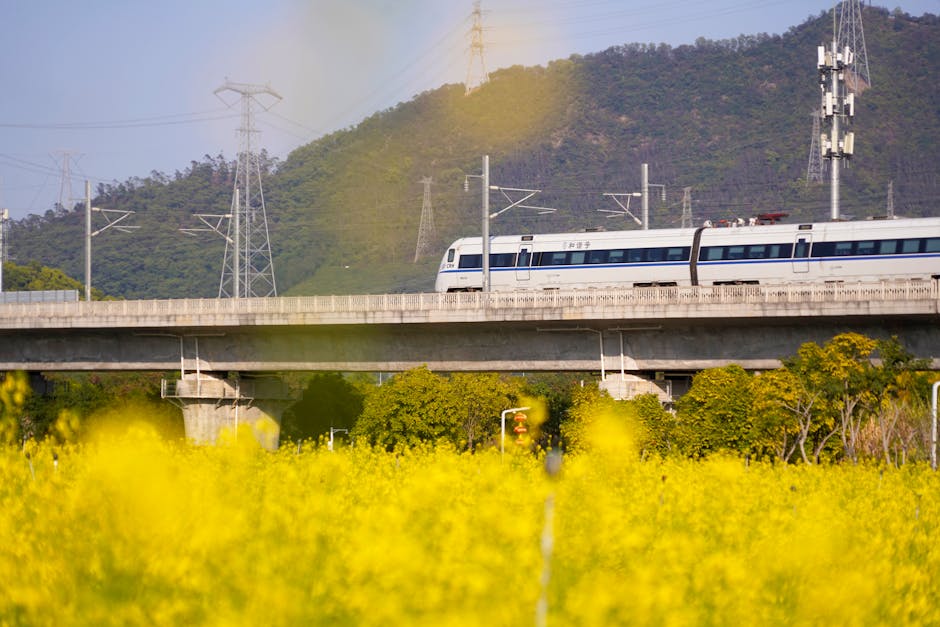
The Laos-China Railway marked its operational milestone of 10 million passengers on December 16, 2025, three years after launching service in December 2022. The 1,035-kilometer high-speed rail link between Kunming, China, and Vientiane, Laos, has carried 6.8 million tons of freight and generated $340 million in direct revenue since inception.
Lao Minister of Public Works and Transport Viengsavath Siphandone said the railway had exceeded all ridership projections. "We anticipated 5 million passengers in the first three years. Reaching 10 million reflects the transformative impact on connectivity and trade," Viengsavath told state media.
Economic Impact
Chinese tourist arrivals in Laos surged 280% since the railway opened, reaching 1.4 million in the first 11 months of 2025. Luang Prabang, the UNESCO World Heritage city and a key stop on the route, saw hotel occupancy rates average 78%, the highest in a decade. Property values within 2 kilometers of Luang Prabang station increased 120% since 2022.
Cross-border freight has been particularly significant for Lao agricultural exports. Durian, cassava, and rubber shipments to China via rail increased 350% compared to previous road transport volumes, with transit times reduced from five days to under 24 hours. The Lao Coffee Association reported a 45% increase in premium coffee exports to Chinese specialty markets.
Debt Concerns Persist
The $5.9 billion railway was financed with 70% Chinese loans and 30% Lao government contribution, much of it also borrowed. Laos's total external debt reached 112% of GDP in 2025, with debt service consuming 35% of government revenue. The World Bank classified Laos at "high risk of debt distress."
Keith Barney, an associate professor at the Australian National University specializing in Lao political economy, said the railway's revenue was "encouraging but insufficient to service the debt on a standalone basis." He noted that the economic benefits were diffuse — increased tourism, trade facilitation, land value appreciation — while the debt obligations were concentrated.
Extension Plans
Planning is underway for a southern extension from Vientiane to the Thai border at Nong Khai, which would connect the line to Thailand's railway network and eventually to Malaysia and Singapore as part of the Kunming-Singapore railway corridor. Thailand and Laos signed a memorandum of understanding for a feasibility study in November 2025, with construction tentatively scheduled to begin in 2028.
The railway currently operates 12 daily passenger services in each direction, with the Kunming-Vientiane journey taking approximately 10 hours including border formalities at Boten station.