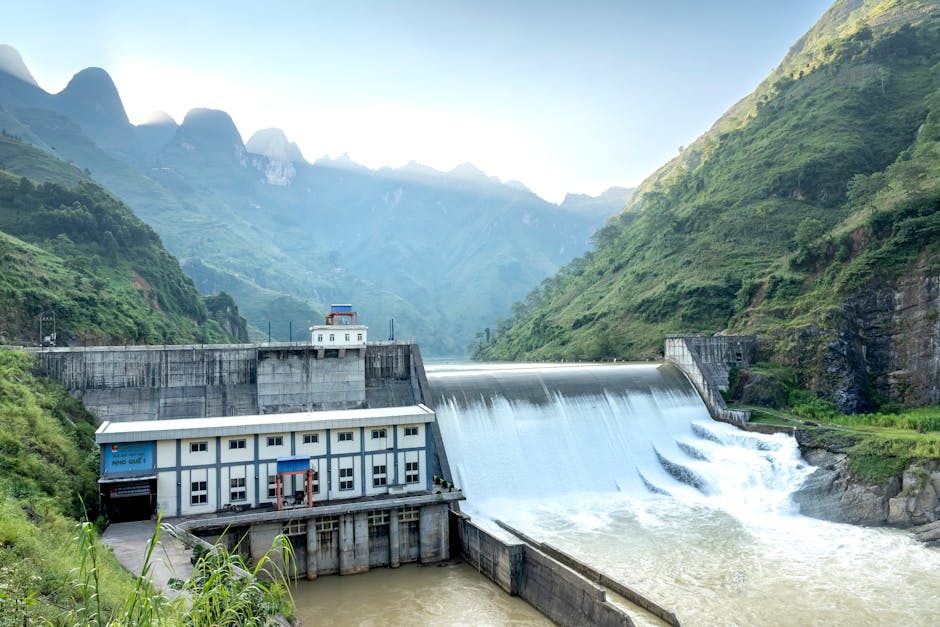
Upper Tamakoshi Dam Begins Full Commercial Operations
Nepal's Upper Tamakoshi Hydroelectric Project reached full commercial operation on December 22, 2025, with all six generating units producing a combined 456 megawatts of electricity. The project, Nepal's largest hydropower facility, was completed at a cost of $550 million with financing from the Export-Import Bank of China and domestic investment from Nepal Electricity Authority.
Prime Minister KP Sharma Oli inaugurated the final generating unit at a ceremony in Dolakha district, 170 kilometers northeast of Kathmandu. "Nepal has the potential to generate 42,000 megawatts of hydropower. Upper Tamakoshi shows we can harness this potential for our development," Oli said.
Technical Achievement
The project, situated at 2,200 meters elevation on the Tamakoshi River, uses a 822-meter head — the elevation difference between the reservoir and powerhouse — making it one of the highest-head hydropower installations in South Asia. China Gezhouba Group Corporation served as the primary contractor, with Andritz Hydro of Austria supplying the turbines.
The dam's 86-meter-high rockfill structure creates a reservoir with 850,000 cubic meters of live storage. Run-of-river design minimizes environmental disruption compared to large storage reservoirs, though downstream communities in Ramechhap district reported reduced water availability during the construction period.
Energy Security Impact
Upper Tamakoshi's output will reduce Nepal's electricity imports from India by an estimated 60% during the dry season, when domestic generation typically falls short of demand. Nepal imported 730 GWh of electricity from India in fiscal year 2024-25 at a cost of $85 million.
Nepal Electricity Authority Managing Director Kul Man Ghising said the project would generate surplus power during the monsoon season for export to India and Bangladesh through existing cross-border transmission lines. Export revenue is projected at $120 million annually, making Upper Tamakoshi a net earner of foreign exchange.
Development Model Debate
The project's mixed financing — 60% Chinese export credit and 40% domestic investment — has been cited both as a model for Nepal's hydropower development and a cautionary tale about debt. Nepal's external debt rose to 22% of GDP in 2025, with Chinese-financed infrastructure projects accounting for 28% of the total.
Bishal Thapa, an energy analyst at the Nepal Economic Forum, said the country needed "$12 billion in hydropower investment over the next decade" and argued that a diversified financing approach — combining Chinese, Indian, Japanese, and multilateral development bank funding — would reduce dependency on any single creditor. The Asian Development Bank is financing the next major project, the 900 MW Upper Arun, with a $700 million loan.