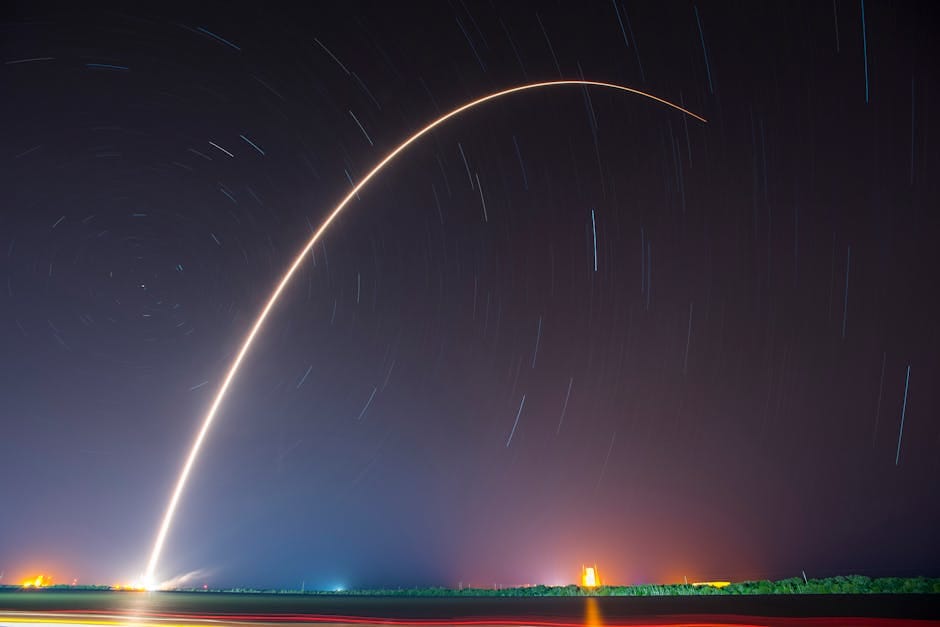
Hwasong-19 Launch Reaches Altitude of 6,500 Kilometers
North Korea launched what state media KCNA described as a new solid-fuel intercontinental ballistic missile, the Hwasong-19, on January 3, 2026. The missile was fired from the Sunchon area in South Pyongan province and reached a maximum altitude of 6,500 kilometers during a lofted trajectory flight lasting 72 minutes before landing in the Sea of Japan approximately 1,050 kilometers east of the launch site.
South Korea's Joint Chiefs of Staff and Japan's Ministry of Defense confirmed the launch parameters. Based on the trajectory, analysts at the James Martin Center for Nonproliferation Studies estimated a standard-trajectory range exceeding 14,000 kilometers, sufficient to reach any point in the continental United States.
Technical Advancement
The Hwasong-19 represents a significant advancement over the liquid-fuel Hwasong-17 and Hwasong-18, as solid-fuel missiles require less preparation time and are more difficult to detect and preempt. Ankit Panda, a senior fellow at the Carnegie Endowment for International Peace, said the three-stage design "demonstrates North Korea's mastery of solid propellant technology for strategic weapons."
KCNA published images showing a road-mobile transporter erector launcher, indicating the missile can be deployed from dispersed locations rather than fixed launch sites. The launcher appeared larger than previous models, consistent with a heavier payload capacity that analysts estimated at 1,500 kilograms.
International Condemnation
The United Nations Security Council convened an emergency session, though China and Russia blocked a new sanctions resolution for the fifth consecutive time. U.S. Ambassador to the UN Linda Thomas-Greenfield called the test "a flagrant violation of multiple Security Council resolutions" and announced additional bilateral sanctions targeting North Korean entities involved in missile procurement.
Japan's Prime Minister Ishiba Shigeru convened the National Security Council and described the launch as "an unacceptable threat to international peace." South Korean President Yoon Suk-yeol ordered the military to conduct a combined live-fire exercise with U.S. forces within 48 hours as a show of deterrence.
Regional Security Implications
The test is North Korea's first ICBM launch of 2026 and the 14th ballistic missile test since January 2025. The accelerating pace of testing has prompted Japan to double its defense budget trajectory and South Korea to expand its missile defense architecture, including deployment of additional THAAD batteries.
Leif-Eric Easley, a professor at Ewha University in Seoul, said the Hwasong-19 "narrows the response window for the United States and its allies" and would increase pressure for preemptive strike doctrines. Diplomatic engagement with Pyongyang remains frozen, with no formal talks since the failed 2019 Hanoi summit.