Energy Department Confirms Major Find in Reed Bank Area
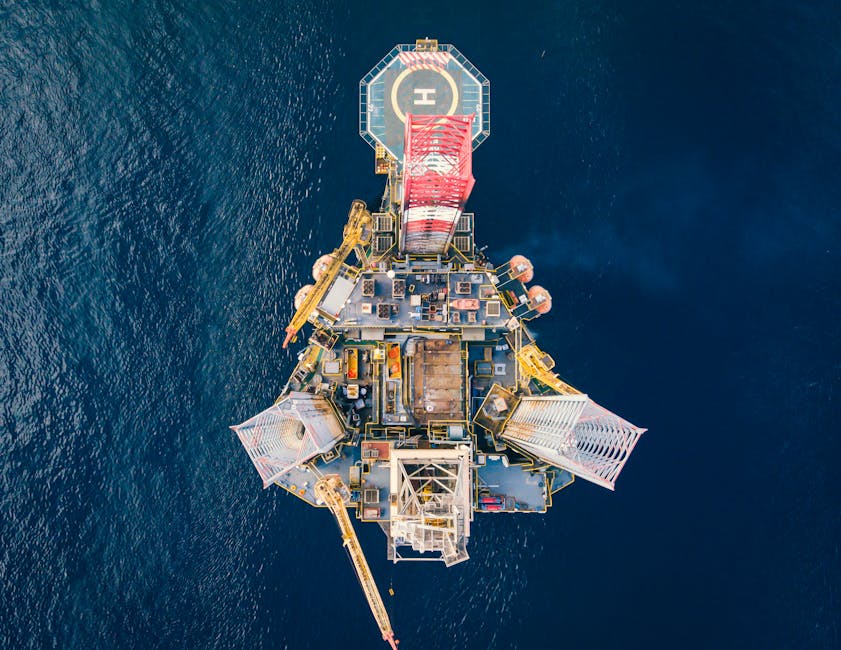
The Philippine Department of Energy announced on January 15, 2026, the discovery of a significant natural gas field in the Reed Bank area of the West Philippine Sea. The Sampaguita Deep-1 exploration well, drilled by Philippine National Oil Company-Exploration Corporation in partnership with France's TotalEnergies, encountered a gas column of 380 meters at depths below 2,800 meters, with preliminary estimates of 2.6 trillion cubic feet of recoverable reserves.
Energy Secretary Raphael Lotilla called the find "a game-changing discovery for Philippine energy security" that could reduce the country's dependence on imported liquefied natural gas. The Malampaya gas field, the Philippines' only domestic gas source, is expected to be depleted by 2027.
Geopolitical Sensitivity
The Reed Bank lies within the Philippines' exclusive economic zone but is also claimed by China as part of its expansive nine-dash line claim. The 2016 Permanent Court of Arbitration ruling in The Hague declared China's claims invalid, but Beijing has not recognized the ruling and maintains Coast Guard patrols in the area.
The exploration proceeded under a service contract originally issued in 2005, which was suspended for a decade due to diplomatic complications and resumed after the Marcos administration adopted a more assertive posture on maritime rights. Two Chinese Coast Guard vessels monitored the drilling operation from a distance of 12 nautical miles but did not interfere.
Development Challenges
TotalEnergies, which holds a 45% operating interest in the service contract, said a detailed appraisal program would begin in 2026 with additional wells to confirm the reserve estimate. First gas production, if development proceeds, would not begin before 2031 due to the technical complexity of deep-water operations and required infrastructure.
The estimated development cost of $8-12 billion would make Sampaguita Deep the largest single investment in Philippine history. Financing would likely require participation from multiple international oil companies, raising questions about whether firms would accept the geopolitical risk of operating in disputed waters.
Energy Security Impact
If confirmed, the Sampaguita reserves would supply the Philippines' current natural gas consumption for approximately 20 years. The country consumed 130 billion cubic feet of natural gas in 2025, primarily for power generation at the Santa Rita, San Lorenzo, and Ilijan gas-fired power plants in Batangas.
The Department of Energy said it would issue an updated Philippine Energy Plan incorporating the discovery by mid-2026, with provisions for pipeline infrastructure connecting Reed Bank to the Luzon grid. The discovery could also position the Philippines as a modest LNG exporter in the 2030s, pending reserve confirmation and development economics.