Philippines and Japan Sign Reciprocal Access Agreement for Defense Forces
The Philippines and Japan signed a Reciprocal Access Agreement for military deployments, with Japan committing $2 billion in defense assistance including patrol vessels and radar systems.
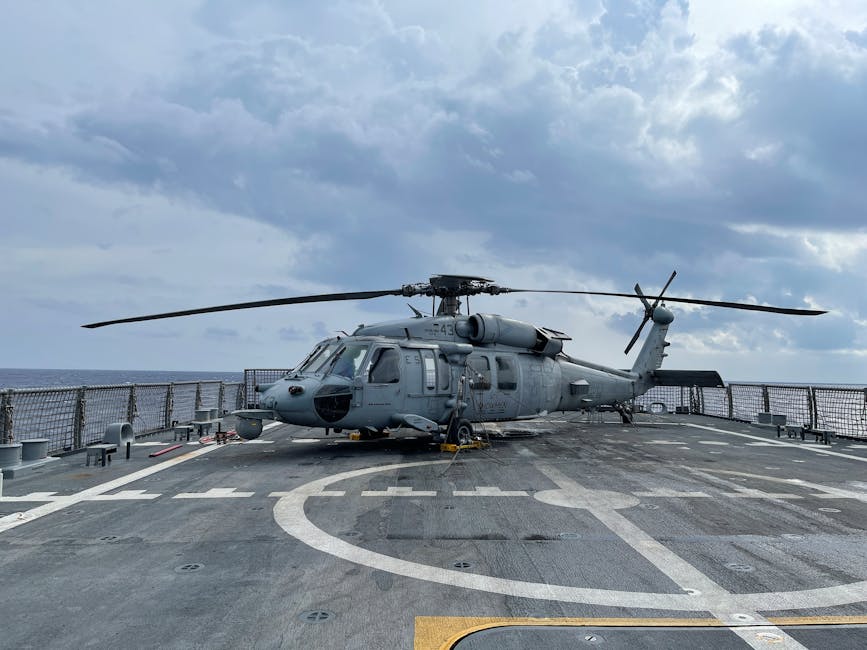
Pact Allows Military Deployments Amid South China Sea Tensions
The Philippines and Japan signed a Reciprocal Access Agreement on December 13, 2025, in Manila, allowing the deployment of military forces on each other's territory for joint training, humanitarian assistance, and disaster relief operations. The agreement, the first of its kind for either country in the Indo-Pacific, was signed by Philippine President Ferdinand Marcos Jr. and Japanese Prime Minister Ishiba Shigeru.
The RAA establishes streamlined procedures for pre-positioning equipment, conducting joint exercises, and deploying personnel without the need for separate status-of-forces negotiations for each activity. Japan's Self-Defense Forces will gain access to Philippine military facilities in Palawan and Zambales provinces, strategically located near disputed areas of the South China Sea.
Scope of Cooperation
Under the agreement, Japan will station a permanent liaison team of 30 military personnel at the Armed Forces of the Philippines headquarters in Quezon City. The two countries will conduct at least six bilateral exercises annually, up from two in 2024, focusing on maritime domain awareness, anti-submarine warfare, and amphibious operations.
Japan will also provide the Philippines with a $2 billion defense assistance package over five years, including 12 patrol vessels, coastal surveillance radar systems manufactured by Mitsubishi Electric, and training for Philippine Navy personnel in anti-ship missile operations. The assistance is financed through Japan's Official Security Assistance framework, established in 2023.
Beijing's Reaction
China's Ministry of Foreign Affairs spokesperson Lin Jian said the agreement "should not target third parties or undermine regional peace and stability." Chinese state media characterized the RAA as evidence of Japanese "militarism resurgence" enabled by U.S. strategic designs in the region.
Philippine Department of Foreign Affairs Secretary Enrique Manalo responded that the agreement was "purely defensive and transparent in its objectives." He noted that the Philippines maintained regular diplomatic channels with China on South China Sea issues and that the RAA did not preclude continued engagement with Beijing.
Strategic Calculus
The agreement deepens a security relationship that has accelerated rapidly since 2022. Retired Philippine Admiral Alexander Lopez said the RAA "fundamentally changes the deterrence equation in the West Philippine Sea" by ensuring that any Chinese coercion against Philippine forces could involve Japan's Self-Defense Forces.
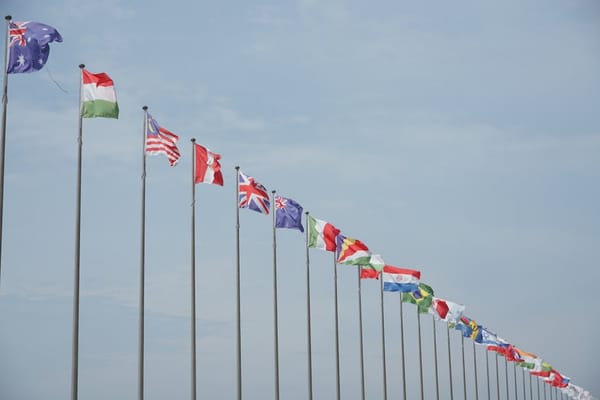
Japan has signed similar reciprocal access agreements with Australia (2022) and the United Kingdom (2023), building a network of security partnerships that analysts describe as a quasi-alliance architecture in the Indo-Pacific. Ratification by both countries' legislatures is expected by mid-2026.