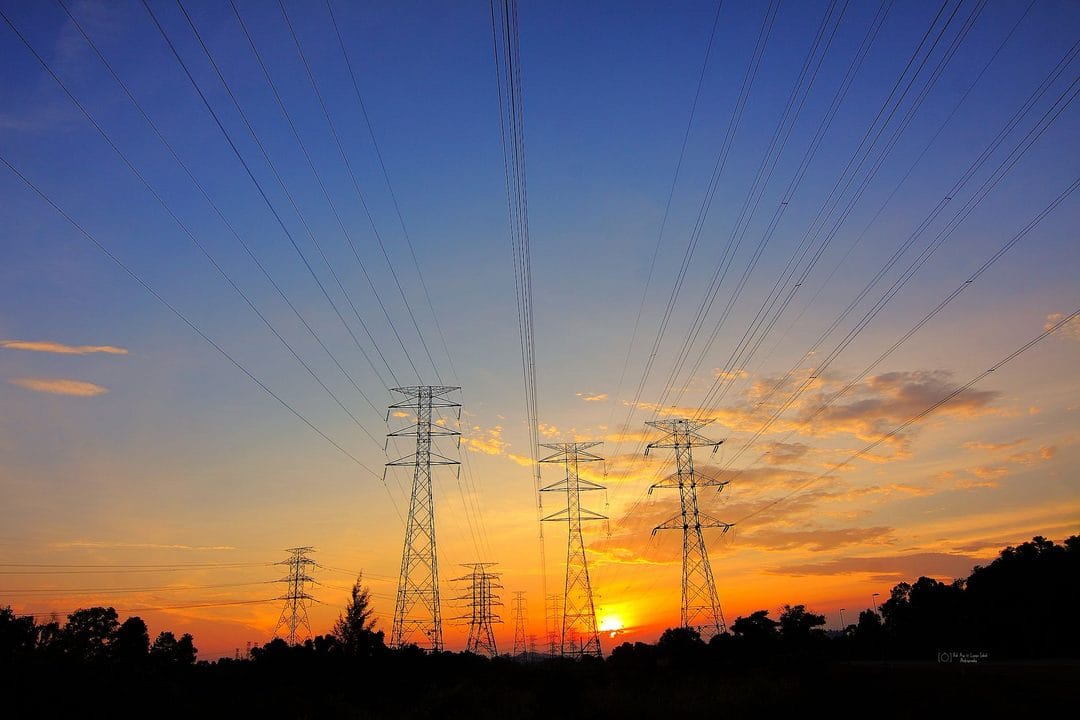
Power demand across Southeast Asia climbed to record highs in mid-June 2026 as a prolonged heatwave pushed temperatures past 40C in parts of Thailand, the Philippines and Vietnam, straining electricity grids already running close to capacity. Grid operators in several countries reported peak loads above previous summer records, with cooling demand cited as the primary driver.
In Thailand, the Electricity Generating Authority said peak demand exceeded the level set during the 2024 hot season, prompting appeals for voluntary conservation during afternoon hours. Vietnam's northern grid, which faced rolling outages in 2023, again came under pressure as industrial parks around Hanoi competed with residential cooling loads.
Grids tested as cooling demand surges
The strain has reopened a long-running debate over how quickly the region can add generating capacity and storage. Air-conditioning ownership has risen sharply across urban Southeast Asia over the past decade, and analysts have repeatedly noted that cooling now accounts for a growing share of peak load during the hottest months.
Vietnam has leaned heavily on hydropower, leaving its system exposed when reservoir levels fall during dry spells. The Philippines, dependent on imported coal and gas, has seen wholesale electricity prices spike on the Wholesale Electricity Spot Market during demand peaks. Indonesia's state utility, PLN, has continued to expand its network while managing a fleet still dominated by coal.
Renewables and storage in focus
Solar capacity has expanded across the region, though its midday output does not always align with the early-evening demand peak when households return home and switch on cooling. Battery storage remains limited relative to the scale of the challenge, and grid operators have pointed to the gap between intermittent generation and peak load as a recurring constraint.
Vietnam approved an updated power development plan in 2025 that raised targets for renewable capacity and transmission investment. Malaysia and Indonesia have signalled interest in cross-border electricity trade through the long-discussed ASEAN Power Grid, which proponents argue could help balance supply across the region. Progress on those interconnections has been gradual, with regulatory and pricing questions still unresolved.
Economic and policy stakes
Reliable power is central to the region's manufacturing ambitions, particularly as electronics and component makers expand operations in Vietnam, Malaysia and Thailand. Outages or price volatility during peak season carry costs for factories operating on tight margins and just-in-time schedules.
Meanwhile, governments face the politically sensitive task of balancing tariff affordability for households against the investment needed to expand and modernise grids. Several utilities in the region operate at a loss or rely on subsidies, complicating the financing of new capacity.
The heatwave is expected to ease later in June as the monsoon advances across the mainland, bringing cooler conditions and relief to stressed grids. Forecasters have cautioned that hotter-than-average conditions are likely to recur, keeping the region's summer power balance under scrutiny.