Beijing Agrees to 28% Haircut on $7.4 Billion in Bilateral Loans
Sri Lanka and China reached a bilateral debt restructuring agreement on January 6, 2026, the final piece in a comprehensive debt restructuring that has taken three years to negotiate. China agreed to a 28% nominal haircut on $7.4 billion in bilateral loans, extended maturities to 30 years, and reduced interest rates to 1.5% — terms broadly comparable to those agreed with Paris Club creditors in June 2025.
Sri Lankan President Anura Kumara Dissanayake and Chinese Vice Premier He Lifeng signed the agreement in Colombo. "This marks the end of Sri Lanka's debt crisis chapter and the beginning of sustainable economic recovery," Dissanayake said at a nationally televised ceremony.
Restructuring Terms
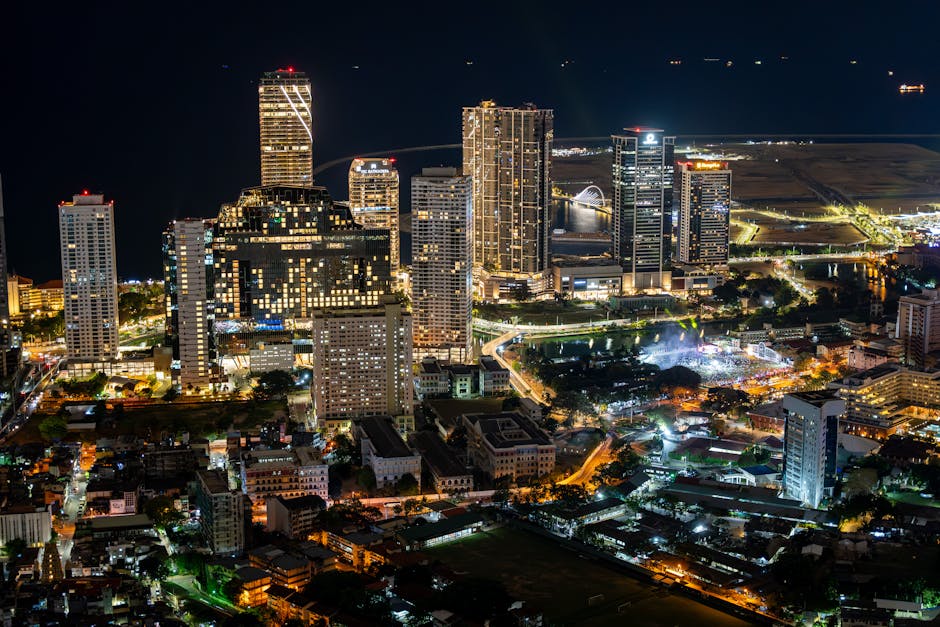
The agreement restructures loans from the Export-Import Bank of China and China Development Bank, including financing for the Hambantota Port, the Colombo Port City, the Mattala Airport, and the Southern Expressway. Under the new terms, Sri Lanka's annual debt service to China falls from $1.2 billion to approximately $480 million through 2035.
China also agreed to convert $500 million in project-specific loans into equity stakes in the Colombo Port City development company and the Hambantota International Port, a move that reduces Sri Lanka's debt stock but increases Chinese ownership of strategic infrastructure.
IMF Program Impact
The agreement unlocks the next tranche of Sri Lanka's $2.9 billion IMF Extended Fund Facility, which had been conditional on achieving comparable treatment across all bilateral creditors. IMF Sri Lanka Mission Chief Peter Breuer said the deal "removes the last obstacle to Sri Lanka's medium-term fiscal consolidation path."
Sri Lanka's economy grew 3.8% in 2025 after contracting 7.8% in 2022 during the height of the crisis. Foreign exchange reserves recovered to $7.2 billion — 4.5 months of import cover — from a low of $50 million in May 2022. The Sri Lankan rupee stabilized at 312 to the dollar, compared to 365 at the crisis peak.
Geopolitical Dimensions
The restructuring was complicated by the broader strategic competition between China, India, and Western nations in the Indian Ocean. India provided $4 billion in emergency support during the 2022 crisis and has pressed for greater transparency in Chinese loan terms.
Paikiasothy Saravanamuttu, executive director of the Centre for Policy Alternatives in Colombo, said the deal "reflects a pragmatic approach by all parties, though questions about debt sustainability will persist if growth doesn't reach the 5% annual target embedded in the IMF program." Total public debt stands at 108% of GDP, down from 128% at the crisis peak but still among the highest in Asia.