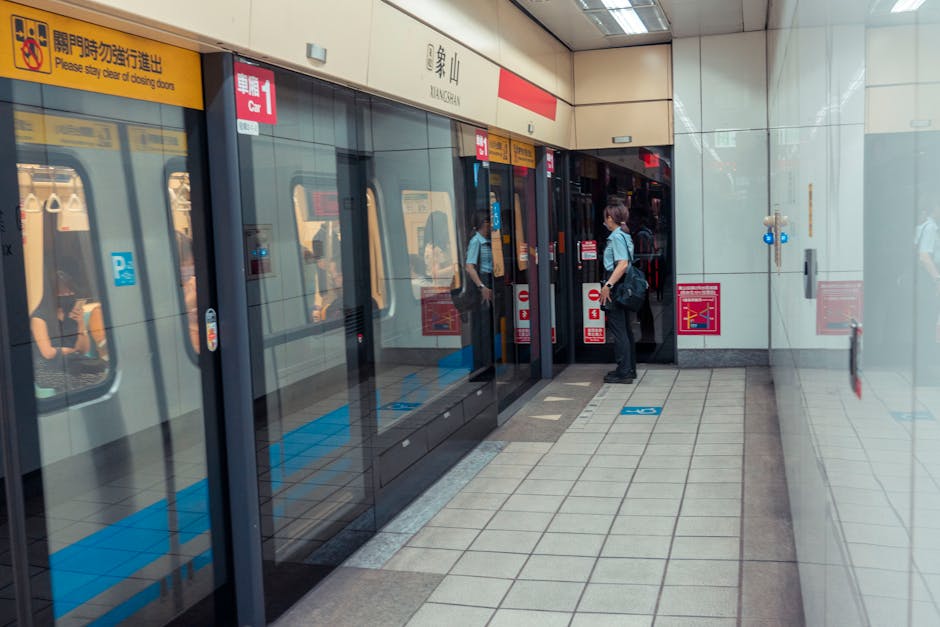
Circular Line Extension Brings Driverless Fleet to 87 Kilometers
Taipei Metro inaugurated the completed Circular Line on February 14, 2026, extending Asia's largest fully autonomous metro system to 87 kilometers of driverless operation across three lines. The 15.4-kilometer extension connects Dingpu in New Taipei City to Songshan Airport, completing the orbital route around central Taipei that has been under construction since 2010.
Mayor Chiang Wan-an presided over the opening ceremony at Zhonghe Station, where the first autonomous train departed at 6:00 a.m. to a crowd of 3,000 transit enthusiasts. "Taipei's metro system is now the gold standard for urban rail in Asia," Chiang said.
System Specifications
The Circular Line uses Bombardier Innovia 300 automated people mover vehicles operating at Grade of Automation 4 — fully unattended with no driver or attendant on board. The system processes 850,000 trips daily on the autonomous lines, with trains running at 80-second headways during peak hours, among the shortest in the world.
Platform screen doors, real-time AI-based passenger flow management, and predictive maintenance systems contribute to a 99.7% punctuality rate. Taipei Metro Corporation reported zero safety incidents in 18 months of partial Circular Line operations.
Ridership and Economic Impact
The Department of Transportation projected the completed Circular Line would add 220,000 daily riders to the metro system, reducing car traffic on the congested Ring Expressway by 12%. Property values along the Circular Line corridor increased an average of 18% during the construction period, according to Sinyi Realty.
Total investment in the Circular Line reached NT$178 billion ($5.7 billion) over 16 years, with 65% funded by the central government and 35% by Taipei and New Taipei City governments. The line is projected to break even operationally within three years of full service.
Technology Export Potential
Taipei Metro has received inquiries from transit agencies in Jakarta, Manila, and Ho Chi Minh City about licensing its autonomous operations technology and management systems. A delegation from Thailand's Mass Rapid Transit Authority visited in January to study the system's safety and maintenance protocols.
The next major project for Taipei Metro is the Wanda-Zhonghe-Shulin Line, a 22-kilometer extension to the southern suburbs expected to begin service in 2030, also using fully autonomous operations from day one.