Joint Development Zone Ends Six Decades of Territorial Tension
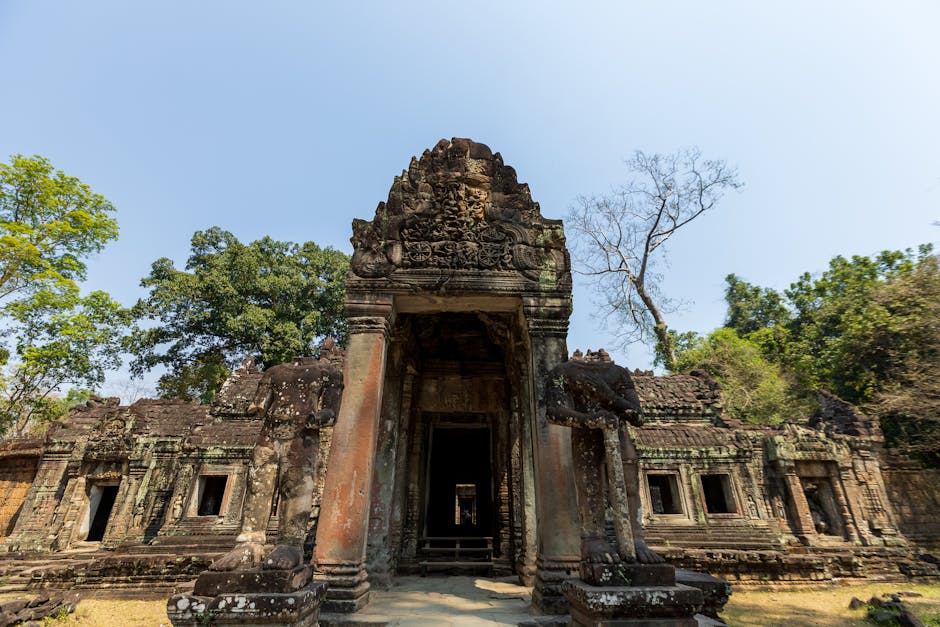
Thailand and Cambodia signed a comprehensive agreement on March 13, 2026, resolving the disputed territory surrounding the Preah Vihear temple, a UNESCO World Heritage site that has been a source of bilateral tension and periodic armed clashes since the 1962 International Court of Justice ruling awarded the temple to Cambodia. The agreement was signed in Bangkok by Thai Foreign Minister Don Pramudwinai and Cambodian Foreign Minister Prak Sokhonn.
Under the deal, Cambodia retains sovereignty over the temple itself and a 4.6-square-kilometer zone surrounding it, while a 7.8-square-kilometer jointly managed development area will be administered by a bilateral commission. Revenue from tourism — the temple attracted 320,000 visitors in 2025 — will be shared 60-40 in Cambodia's favor.
Terms of Agreement
Thailand agreed to withdraw its claim to the promontory adjacent to the temple, which it had contested since the 1962 ruling. In exchange, Cambodia committed to a demilitarized zone extending 500 meters from the border in both directions and agreed to Thai participation in UNESCO conservation management of the temple complex.
A joint border commission will survey and demarcate the boundary in the overlapping area using modern geodetic technology, replacing the colonial-era French maps that have been the source of conflicting interpretations for over a century. The demarcation process is expected to take two years.
Historical Context
The Preah Vihear dispute has been the most persistent irritant in Thai-Cambodian relations. Armed clashes in 2008-2011 killed at least 28 soldiers and civilians and displaced 85,000 residents on both sides of the border. A 2013 ICJ clarification ordered Thai troops to withdraw from the disputed area but did not fully resolve the extent of Cambodian sovereignty.
ASEAN Secretary-General Kao Kim Hourn praised the agreement as "a triumph of bilateral diplomacy in the ASEAN tradition" and said it would serve as a model for other territorial disputes in the region.
Economic and Cultural Benefits
The joint development zone will include a cross-border tourism complex with visitor facilities, a research center for Khmer archaeology, and a nature reserve protecting the Dangrek Mountain ecosystem. The Tourism Authority of Thailand estimated the agreement would increase visitor numbers to 800,000 annually by 2030, with economic benefits flowing to impoverished communities on both sides of the border.
UNESCO Director-General Audrey Azoulay welcomed the deal, noting that "heritage should unite, not divide." The organization committed $5 million for conservation work at the temple, which requires urgent structural stabilization of its 11th-century sandstone foundations.