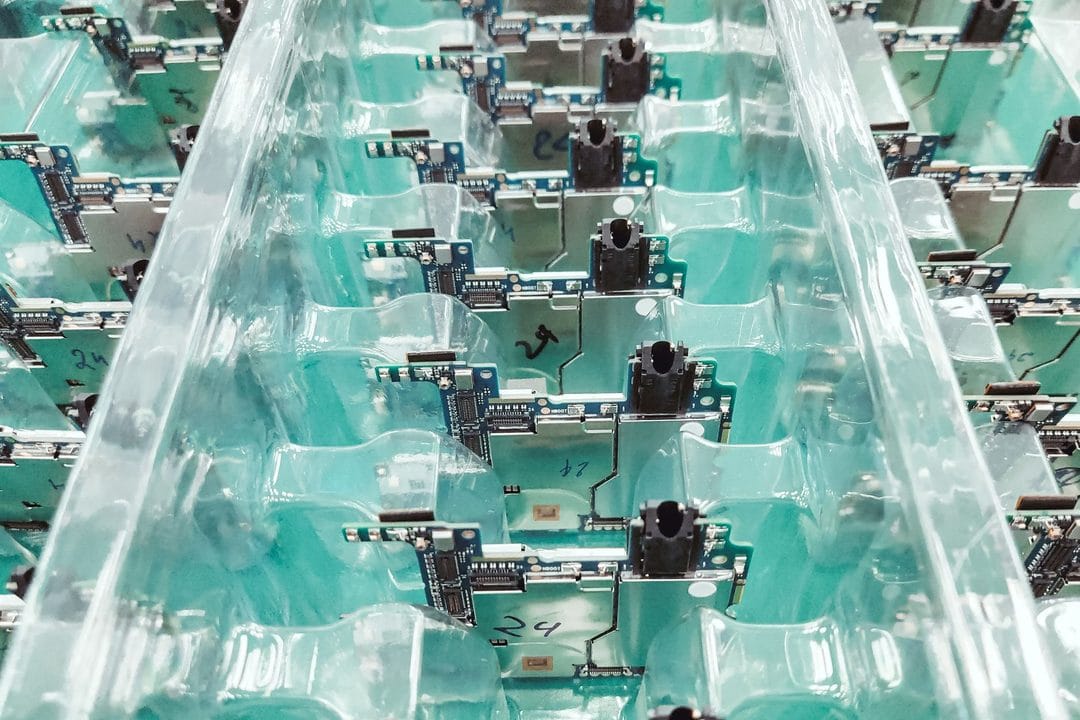
Manufacturers across electronics, apparel and battery supply chains are deepening their shift toward Vietnam, India and Indonesia in mid-2026, extending a diversification strategy that accelerated after Washington's Section 301 tariffs on Chinese goods took hold in 2018. Foxconn has continued expanding assembly lines at its Sriperumbudur and Bengaluru campuses in southern India, while Samsung's Bac Ninh and Thai Nguyen complexes in northern Vietnam remain among the company's largest smartphone production sites outside South Korea.
The trend, often described in trade circles as "China+1," reflects an effort to hedge against concentration risk in a single country rather than a wholesale exit from China. Apple has gradually raised the share of iPhones assembled in India through partners including Foxconn, Pegatron and Tata Electronics, a shift that began in 2017 and has continued through successive iPhone generations.
Indonesia has taken a different route, positioning itself around the electric-vehicle battery supply chain rather than consumer-electronics assembly. The country holds the world's largest nickel reserves, and both CATL and LG Energy Solution have backed processing and battery-material projects there, betting on capturing more of the value chain than raw-ore exports alone would provide.
A tariff and carbon story, not just a labour-cost one
The European Union's Carbon Border Adjustment Mechanism, phased in through 2026, has added a separate incentive for manufacturers to reconsider where energy-intensive production stages happen, since the levy applies to embedded carbon in imports regardless of the country of origin. Labour costs matter too: wages in China's coastal manufacturing provinces, Guangdong, Jiangsu and Zhejiang among them, have risen substantially over the past decade, narrowing the cost gap that once made a single-country strategy straightforward.
Vietnam's minimum wage remains lower than China's coastal-province rates, though its manufacturing workforce is smaller and more concentrated around Hanoi and Ho Chi Minh City than China's is across its export belt. Infrastructure gaps still slow the transition elsewhere. India's logistics costs as a share of GDP remain higher than China's, and Indonesia's port and road networks outside Java continue to lag the density that made China's export machine efficient.
Transshipment scrutiny complicates the picture
Vietnam, by contrast, has drawn scrutiny from US trade officials over its role as a transshipment point for goods with substantial Chinese content, an issue examined under anti-circumvention rules tied to the existing tariffs. Analysts tracking the shift note that full diversification away from China's supplier base, components rather than just final assembly, remains years away for most electronics categories, since semiconductors and specialised parts are harder to relocate than assembly lines themselves.